
Why Spend an Hour with an Onion?
You exist because God loves you. He is not a supreme being among many, but underneath all—the very source of existence itself. And things continue to exist because He loves them.
The beginning of a beautifully contemplative cookbook, The Supper of the Lamb by Robert Farrar Capon, puts it this way:
That, you know, is why the world exists at all. It remains outside the cosmic garbage can of of nothingness, not because it is such a solemn necessity that nobody can get rid of it, but because it is the orange peel hung on God’s chandelier, the wishbone in his kitchen closet. He likes it; therefore, it stays. The whole marvelous collection of stones, skins, feathers, and string exists because at least one lover has never quite taken His eye off it, because Dominus vivificans has his delight with the sons of men.
If you are like me, you are often blind to seeing these mysteries in the ordinary texture of life. Capon invites us to be deeply present to the wonders of the mundane. In a glorious chapter on onions, he invites the reader to pour a drink and spend an hour with this vegetable. During this hour, Capon guides the reader through a meditation, brilliantly weaving together deep philosophy and theology with observations about the onion as it is admired and slowly taken apart. Near the conclusion, after a few more cooking anecdotes, he writes, “Between the onion and the parsley, therefore, I shall give the summation of my case for paying attention. Man’s real work is to look at the things of the world and to love them for what they are. That is, after all, what God does, and man was not made in God’s image for nothing.”
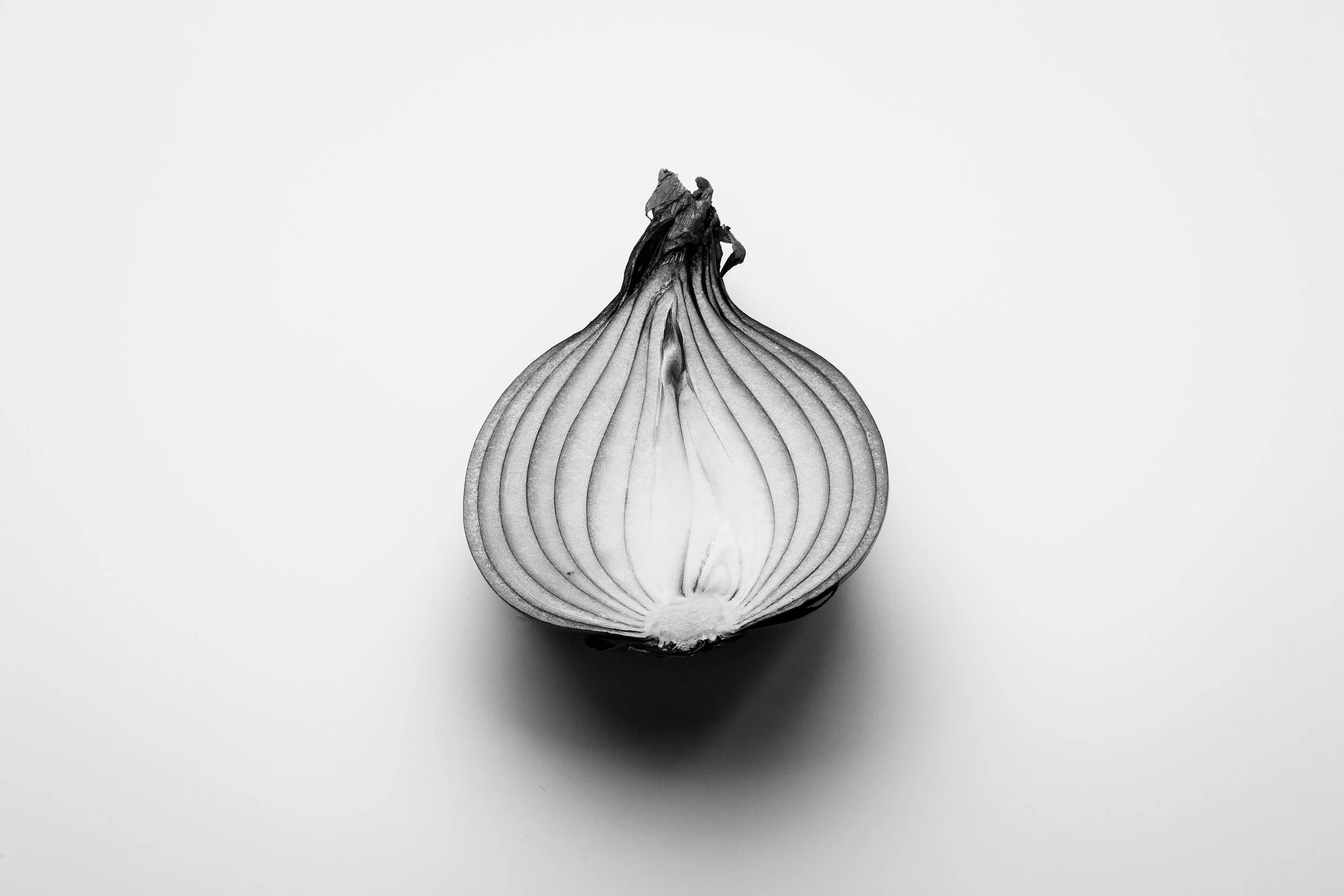
Capon opposes this loving spirit of wonder to boredom. This week I invite you to ask:
On a scale of 1-7 (1 being boredom, 7 being love and wonder) how do I approach my life? In what specific ways would my life be different if I paid more attention and loved things for what they are? What would it take for me to become this sort of person?
God bless,
Dan
